
Performance Anxiety in Athletes: What It Is and How to Overcome It

Performance anxiety in athletes is more common than most people realize. From youth competitors to elite performers, athletes of all ages experience moments of intense pressure before or during competition. While nerves can sharpen focus and enhance performance, excessive anxiety can interfere with confidence, coordination, and decision-making.
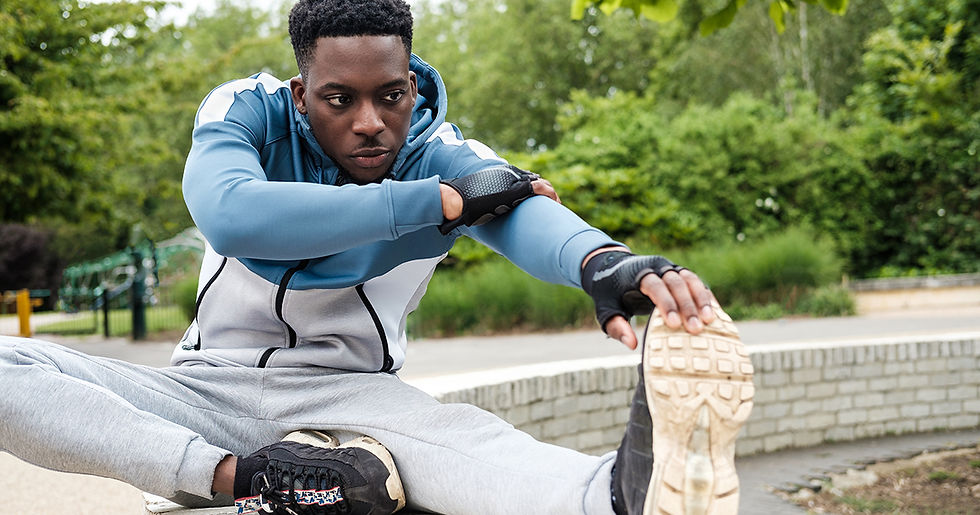
Understanding Performance Anxiety in Athletes
At Russell Health Collective, we work with athletes who struggle with overwhelming self-doubt, racing thoughts, physical tension, and fear of failure. These challenges are not signs of weakness — they are human responses to pressure. With the right tools and support, performance anxiety can be understood, managed, and even transformed into a competitive advantage.
What Is Performance Anxiety in Athletes?
Performance anxiety in athletes refers to the intense fear, worry, or nervousness experienced before or during athletic performance. It can show up physically, emotionally, and cognitively.
Physical Symptoms:
Increased heart rate
Shallow breathing
Muscle tightness
Nausea
Sweating
Shaking
Mental and Emotional Symptoms:
Fear of making mistakes
Negative self-talk
Overthinking plays or movements
Catastrophic thinking (“If I mess up, everything is ruined.”)
Difficulty focusing
In moderate amounts, stress can be motivating. But when anxiety overwhelms the nervous system, performance often suffers. Our mental health support services provide athletes with practical tools to manage anxiety, overcome negative thought patterns, improve focus, and build confidence under pressure. That's when professional support becomes especially valuable.
Why Does Performance Anxiety Happen?
Performance anxiety in athletes develops for several reasons:
1. Fear of Failure
Many athletes tie their identity to performance. When outcomes feel like reflections of personal worth, pressure increases dramatically.
2. Perfectionism
High standards can drive success — but rigid perfectionism fuels anxiety and self-criticism.
3. External Pressure
Parents, coaches, teammates, scholarships, social media, and financial investments can heighten expectations.
4. Injury or Return to Play
After an injury, athletes often fear re-injury or underperforming, increasing anxiety.
5. Past Negative Experiences
A previous mistake or poor performance can create anticipatory fear in future competitions.
Understanding these root causes is a key step in overcoming performance anxiety in athletes.
How Performance Anxiety Affects Athletic Performance
When anxiety activates the body’s fight-or-flight response, several performance barriers emerge:
Decreased motor coordination
Tight muscles limiting range of motion
Slower reaction times
Reduced confidence
Impaired strategic thinking
Ironically, the fear of underperforming can create the very outcome the athlete is trying to avoid.
The Nervous System and Athletic Performance
At Russell Health Collective, we often explain performance anxiety in athletes through the lens of nervous system regulation.
When the sympathetic nervous system is overly activated (fight-or-flight mode), fine motor skills and fluid movement decline. The key is not eliminating stress entirely — but learning to regulate it.
Mental health support focuses on helping athletes:
Recognize physical stress signals early
Develop grounding strategies
Build emotional resilience
Strengthen cognitive flexibility
Evidence-Based Strategies to Overcome Performance Anxiety in Athletes
1. Cognitive Restructuring
Athletes often engage in automatic negative thoughts (“I always choke,” “I’m not good enough”). Through counselling, we help athletes identify, challenge, and reframe these thoughts into balanced perspectives.
2. Controlled Breathing Techniques
Slow diaphragmatic breathing calms the nervous system. Practicing breathwork before competition reduces physical symptoms of anxiety.
3. Visualization Training
Mental rehearsal strengthens neural pathways associated with successful performance. Athletes visualize executing plays confidently and effectively.
4. Pre-Performance Routines
Consistent routines provide psychological safety and predictability, reducing anticipatory stress.
5. Mindfulness-Based Strategies
Mindfulness improves present-moment awareness, preventing athletes from getting stuck in past mistakes or future fears.
6. Self-Compassion Development
Performance anxiety in athletes often stems from harsh self-criticism. Learning self-compassion builds resilience and sustainable confidence.
When Should an Athlete Seek Professional Support?
It may be time to seek mental health support if:
Anxiety interferes with enjoyment of the sport
Sleep is disrupted before competitions
Panic attacks occur before or during events
Avoidance behaviours develop
Confidence declines significantly
Performance anxiety spreads to academics or work
Professional counselling provides a structured environment to build coping tools tailored to the individual athlete.
How Russell Health Collective Supports Athletes
Our mental health support services are designed to support young adults, adults, and seniors facing anxiety, depression, performance stress, and trauma-related challenges.
For athletes experiencing performance anxiety in athletes, our psychotherapist can help with:
Anxiety management techniques
Trauma-informed therapy if past experiences are impacting performance
Identity exploration beyond sport
Coping skills for competition pressure
Emotional regulation strategies
Stress management during high-demand seasons
Because Russell Health Collective is multidisciplinary, we can also integrate:
Physiotherapy for injury recovery
Concussion rehabilitation
Massage therapy for physical tension
Dietitian services for energy regulation
Yoga and Pilates classes for nervous system support
This whole-person approach recognizes that performance anxiety in athletes affects both mind and body.
Performance Anxiety in Youth Athletes
Youth athletes may struggle silently with anxiety due to fear of disappointing adults. Parents and coaches play a critical role in shaping psychological safety.
We encourage:
Emphasizing effort over outcome
Encouraging open conversations about stress
Normalizing nerves before competition
Avoiding overly critical feedback
Mental health support for youth athletes fosters confidence that extends beyond sport.
Reframing Anxiety as Readiness
One powerful shift involves reframing anxiety symptoms as readiness signals.
A racing heart? The body prepares for action.Sweaty palms? A sign of heightened alertness.Butterflies? Energy mobilizing for performance.
With therapeutic support, athletes learn to interpret physiological arousal as performance fuel rather than threat.
Building Long-Term Mental Resilience
Overcoming performance anxiety in athletes is not about eliminating nerves. It’s about building resilience.
Resilient athletes:
Accept imperfection
Recover quickly from mistakes
Maintain perspective
Separate identity from performance
View setbacks as growth opportunities
Counselling helps cultivate these traits in a structured, evidence-based way.
Strengthen Your Mental Game with Professional Support
If performance anxiety in athletes is holding you back, you don’t have to manage it alone. At Russell Health Collective, our mental health support services provide practical, evidence-based tools to help you compete with confidence and clarity. Book a consultation today and start strengthening your mental performance.
👉 Book a consultation today
Turning Performance Pressure into Performance Power
Performance anxiety in athletes is common — but it does not have to define your experience in sport. When understood and managed effectively, nervous energy can enhance focus, sharpen skills, and elevate performance.
At Russell Health Collective, we believe mental health is just as important as physical conditioning. With professional guidance, practical tools, and compassionate support, athletes can transform anxiety into resilience.
If you’re ready to build confidence that lasts beyond the scoreboard, our team is here to help you move forward — stronger, steadier, and more self-assured.
Contact Information
Phone: 343-998-9229
Email: info@russellhealth.ca
Clinic Hours
Mon. 8:00am-7:00pm
Tues. 8:00am-6:00pm
Wed. 8:00am-7:00pm
Thurs. 8:00am-6:00pm
Fri. 8:00am-12:00pm


